Ten African teams will feature at the 2026 FIFA World Cup , marking a historic milestone for the continent following DR Congo’s dramatic qualification on Tuesday night.
The Leopards secured the final African slot with a 1-0 extra-time victory over Jamaica in the intercontinental play-offs, joining nine other nations that had already booked their places at the expanded tournament.
It will be the first time in history that Africa sends 10 teams to the World Cup, underlining the continent’s growing influence in global football.
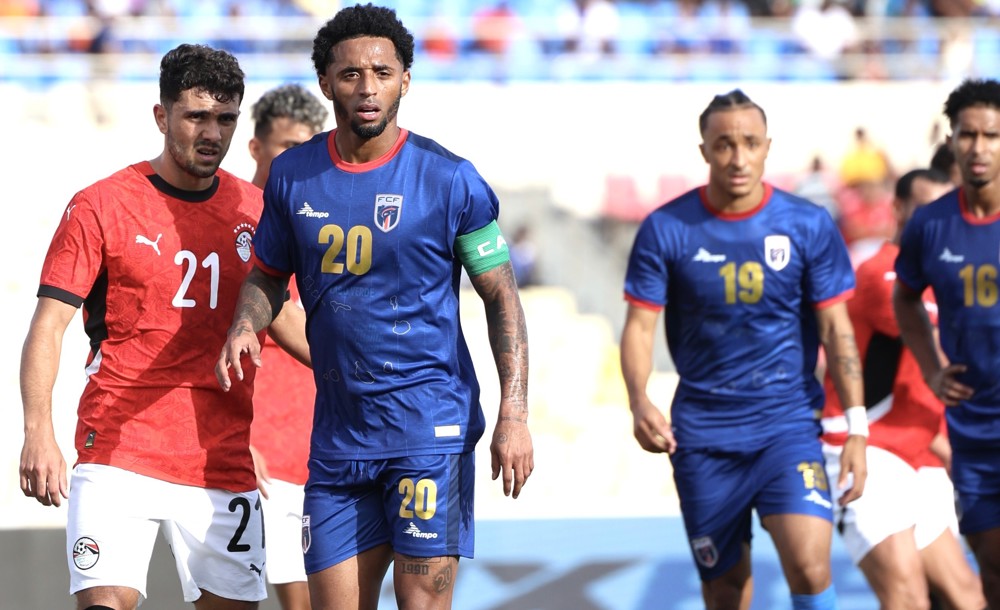
A new era for African football
The increase in African representation comes as part of FIFA’s expansion of the World Cup to 48 teams, offering more opportunities for emerging football nations to compete on the biggest stage.
African teams playing in 2026 FIFA World Cup:
Senegal
Morocco
Egypt
Ghana
Algeria
Tunisia
Cote d’Ivoire
Cape Verde
South Africa
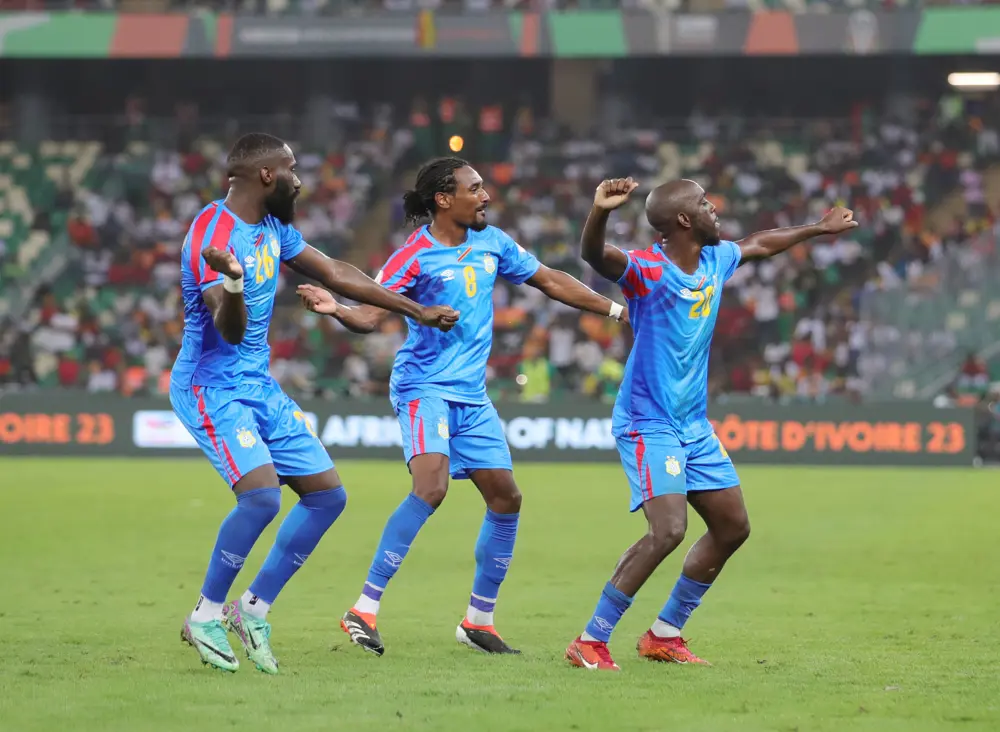
DR Congo
The inclusion of DR Congo — returning to the World Cup for the first time since 1974 — adds further significance to the milestone.

Growth and competitiveness
African teams have steadily improved their performances at recent World Cups, with Morocco’s historic run to the semi-finals in 2022 highlighting the continent’s rising competitiveness.
The expanded slots are seen as recognition of that progress, as well as an opportunity for more nations to showcase their talent.
For countries like Cape Verde, the tournament represents a chance to make a debut appearance, while established teams such as Ghana and Senegal will aim to build on previous experiences.
A platform for the future
The presence of 10 African teams is expected to boost the continent’s visibility and influence in world football, while also inspiring a new generation of players and fans.
It also reflects the continued investment in football development across Africa, with improved structures, coaching and talent pathways contributing to stronger national teams.
Looking ahead to 2026
The 2026 World Cup, to be held in the United States, Canada and Mexico, promises to be the biggest edition in history.
For Africa, it represents more than just increased participation — it is a moment of validation.
With 10 teams set to compete, the continent will not only be present in record numbers but will also carry heightened expectations of making a lasting impact on the global stage.
SOURCE: CAF ONLINE