


This week marks and signifies the 51st anniversary of a legendary, iconic and momentous sporting chronicle of history: “The Rumble in the Jungle.”
On October 30, 1974, in Kinshasa, Zaire, now the Democratic Republic of the Congo, Muhammad Ali dethroned the undefeated champion George Foreman in a fight that not only redefined boxing, but became a global social and cultural phenomenon.
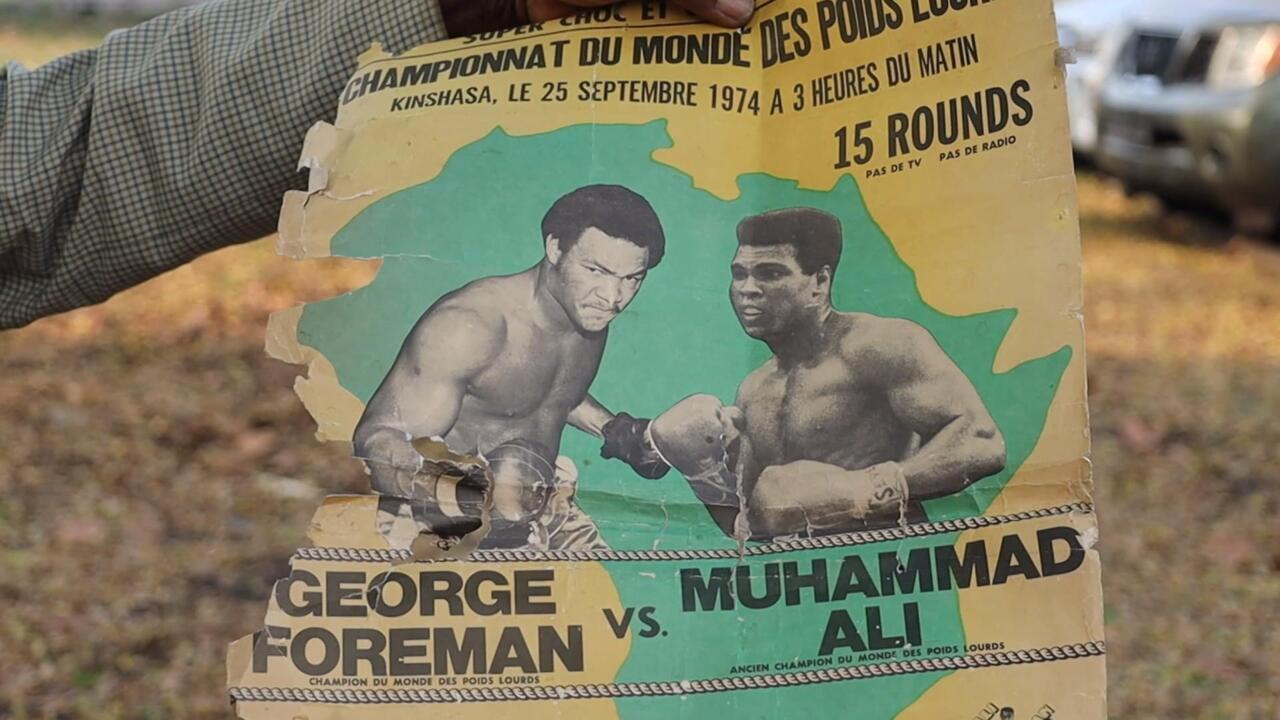
The world expected a quick knockout from the young, powerful and fearsome George Foreman, who entered the bout as an overwhelming favorite with a record of 40-0, 37 KOs.
Muhammad Ali, 32 years old and with two losses on his record, was considered by many to be a boxer teetering on the brink of retirement. A spent force. How wrong they were in this assumption!
However, Ali demonstrated why he is known as “The Greatest” by conjuring, deploying and inflicting one of the sport’s most brilliant, wily and adaptive strategies: the famous “Rope-a-Dope.”
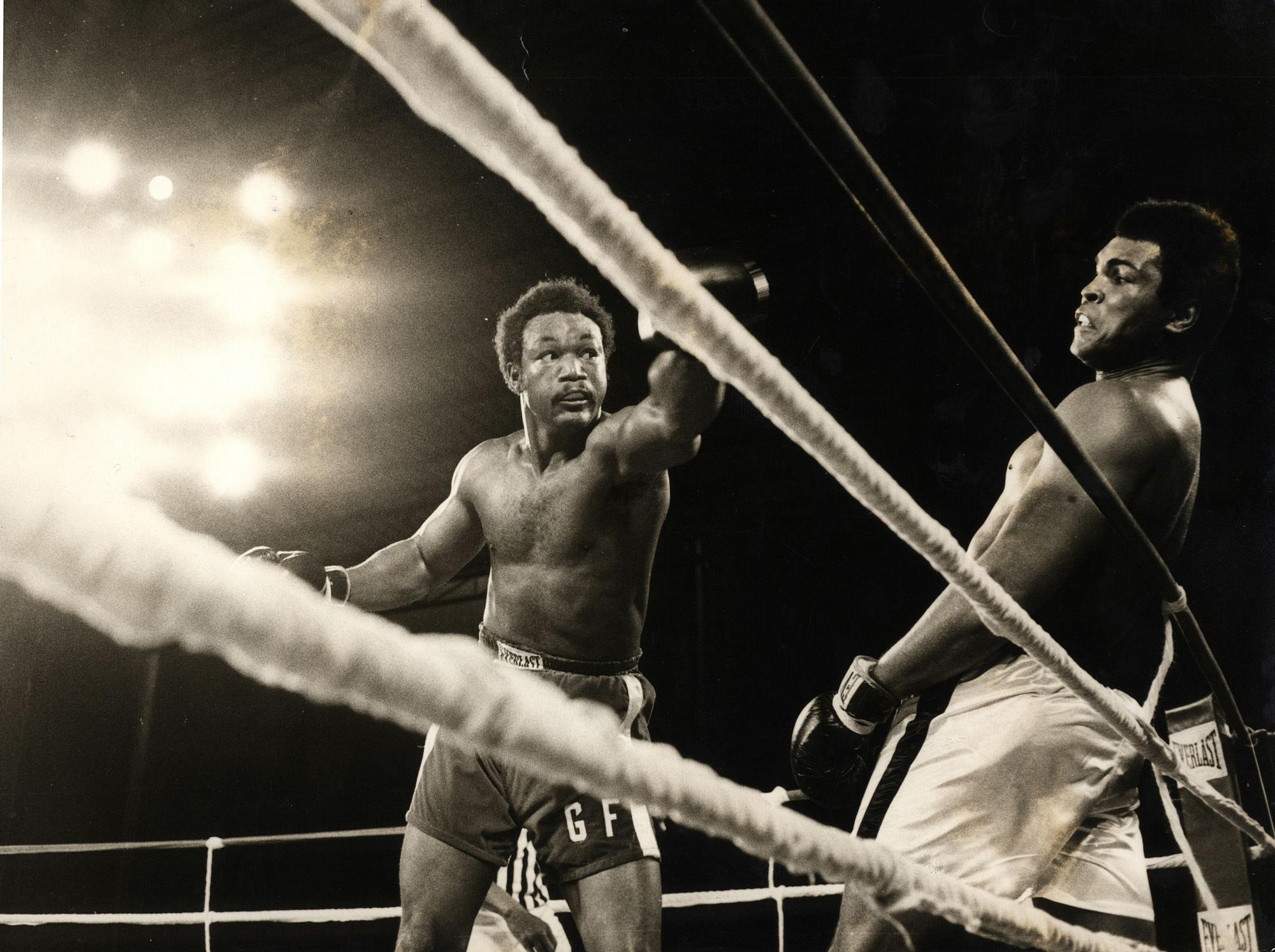
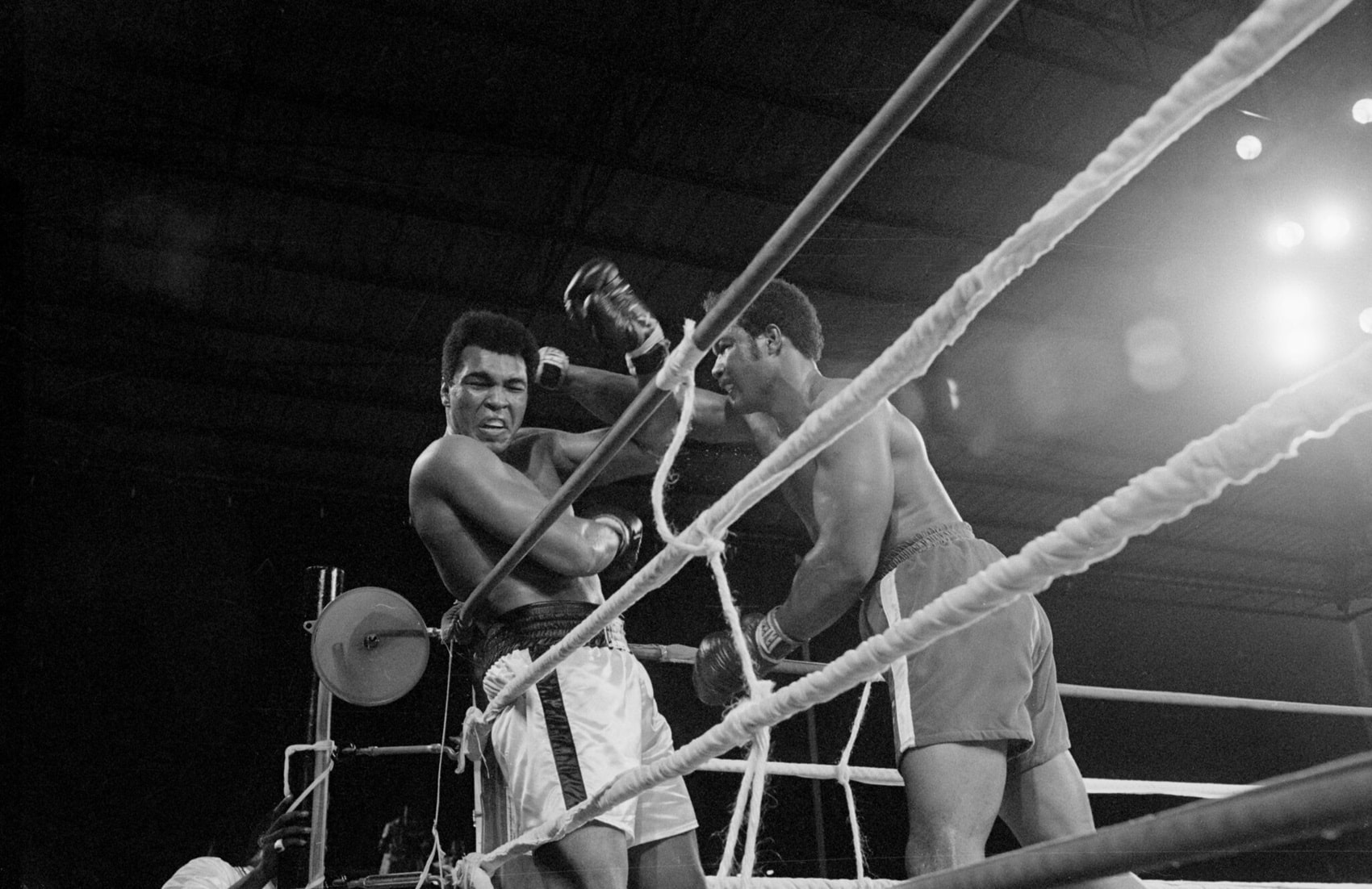
Ali knew full well, he could not defeat Foreman through brute strength. So and accordingly, he devised an unexpected tactic: instead of attacking immediately, he absorbed punches, wore down his opponent amidst the sweltering heat and cloying humidit. Then…at the perfect moment, took control with genius footwork, solid defense and dazzlingly pinpoint hand speed.
Ali leaned back into the ropes, covering up and letting the powerful Foreman exhaust himself by throwing flailing punches under the rays of the grueling and fierce African sun. By the eighth round, Foreman was exhausted and spent.
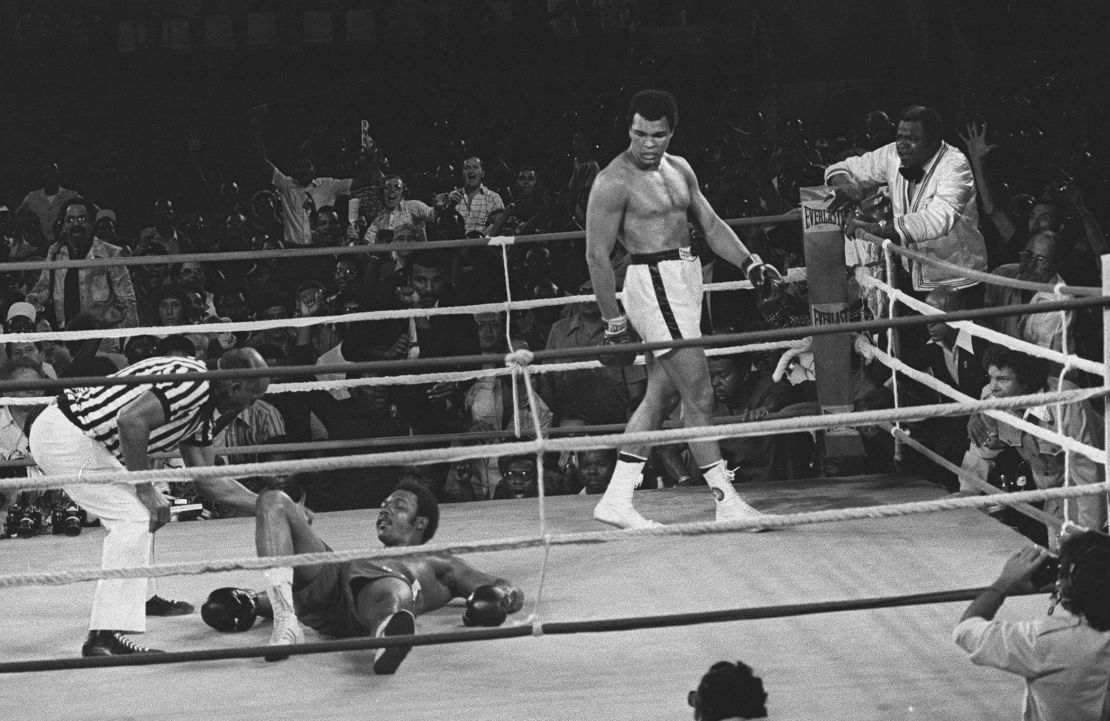
It was there and then, that Ali launched his offensive, culminating in a precise flurry cluster of punches that sent Foreman spinning and reeling to the canvas for the final count. Ali won by KO in the eighth round, imperiously reclaiming the undisputed WBA and WBC world heavyweight title and consecrating his legend.
“The Rumble in the Jungle” was much more than just a fight. It was a crossroads of cultures, politics, and the fable of destiny.
Cultural Impact: The bout was preceded by the famous Zaire ’74 music festival, featuring legends like James Brown and B.B. King, transforming Kinshasa into the epicenter of African and African-American culture.

Popular Support: Ali won over the local audience with his charisma, adopting the battle cry “Ali Boma Ye” (“Ali, kill him”), while Foreman, arriving with German Shepherd dogs (associated with Belgian colonial brutality), earned the crowd’s antipathy.
Enduring Legacy: The fight has been immortalized in the Oscar-winning documentary, When We Were Kings (1996), and remains a case study in resilience, strategy, and managing under pressure, transcending sports to become a key moment in modern history.
Fifty one years later, the memory of Muhammad Ali confronting, defying and confounding the odds, then majestically returning to the pinnacle of world boxing, continues to resonate, inspiring coming generations, with his unbreakable spirit and strategic genius. Forever The Greatest!
SOURCE: WBC