

The Council of East and Central Africa Football Associations this week confirmed that Rwanda will host the CECAFA Kagame Cup in both 2027 and 2028, extending a hosting run that began with this year’s edition.
It’s a rare vote of confidence from a regional body still rebuilding after years of financial strain, and it didn’t come out of nowhere, it came because Rwanda delivered.
There’s a moment in every football nation’s story when hosting a tournament stops being a favour and starts being a habit. For Rwanda, that moment arrived on 6 August 2026, inside a boardroom at the Mövenpick Hotel in Kigali, and it means East and Central Africa’s most storied club competition now has a permanent address, at least for the next two years.
The Rwanda Football Federation (FERWAFA) didn’t wait to be asked. Fresh off staging a smooth, well-attended 2026 tournament, the federation formally requested the right to keep the competition on home soil. CECAFA’s Executive Committee, chaired by president Paulos Weldehaimanot Andemariam, said yes – pointing to Rwanda’s stadiums, logistics and organisational polish as the deciding factors.
That means Kigali will have hosted the Kagame Cup for three straight editions by the time 2028 wraps up, a remarkable turnaround for a city that had gone quiet on the tournament calendar since 2019.
A final worth remembering
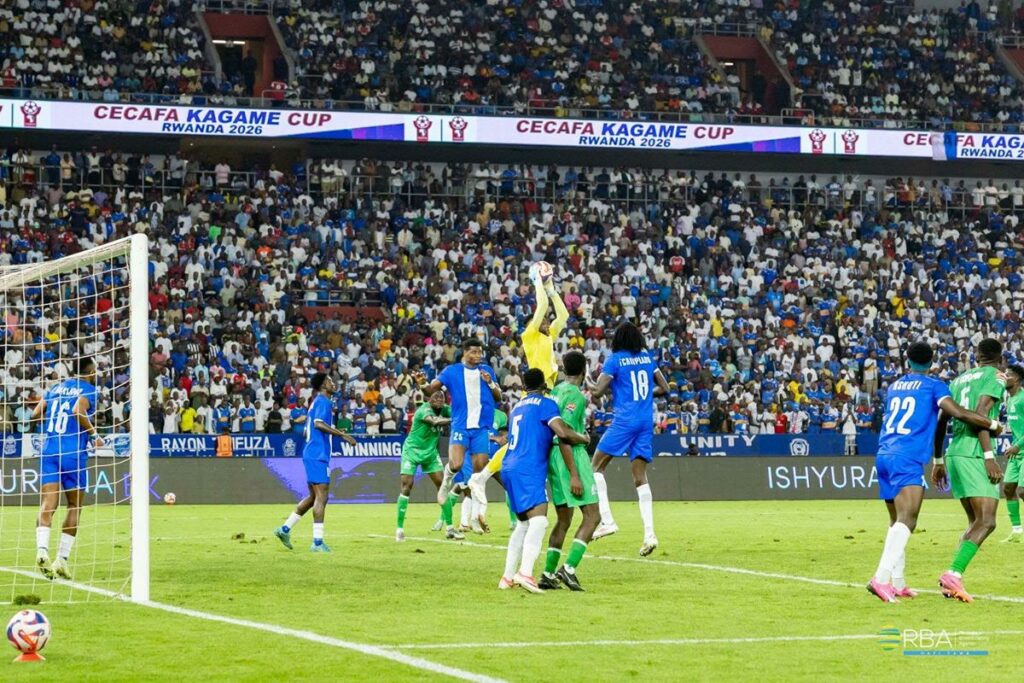
If CECAFA needed proof that Rwanda could carry a tournament, the 2026 final gave them all they needed. Hosts Rayon Sports staged a homecoming for the ages, edging record continental heavyweights Gor Mahia 2-1 after extra time at a newly renovated Amahoro Stadium. It was Rayon’s second Kagame Cup crown; and the kind of storyline broadcasters dream of.
Twelve clubs chased the trophy across a tournament that ran from July 24 to August 7, split between Amahoro Stadium and the Kigali Pelé Stadium. The field read like a who’s-who of the region: Kenyan champions Gor Mahia, Tanzania’s Simba SC and Singida Black Stars, Ugandan champions Vipers SC, and Sudan’s Al Hilal and Al Merriekh, alongside Rwanda’s own Rayon Sports and APR FC.
The Kagame Cup isn’t just silverware bragging rights; it’s a proving ground. For clubs across the CECAFA zone, the tournament doubles as a tune-up before continental campaigns in the CAF Champions League and CAF Confederation Cup, giving squads competitive minutes against regional rivals before the bigger stage comes calling.
That’s part of why multi-year hosting matters so much right now. The competition has weathered rocky seasons in the past, with funding and logistical hiccups occasionally threatening its rhythm. By locking in one host for consecutive years, CECAFA is betting on stability: steadier planning, stronger sponsorship conversations, and a tournament that feels less improvised and more premium each time it kicks off.
Kagame’s country, Kagame’s cup
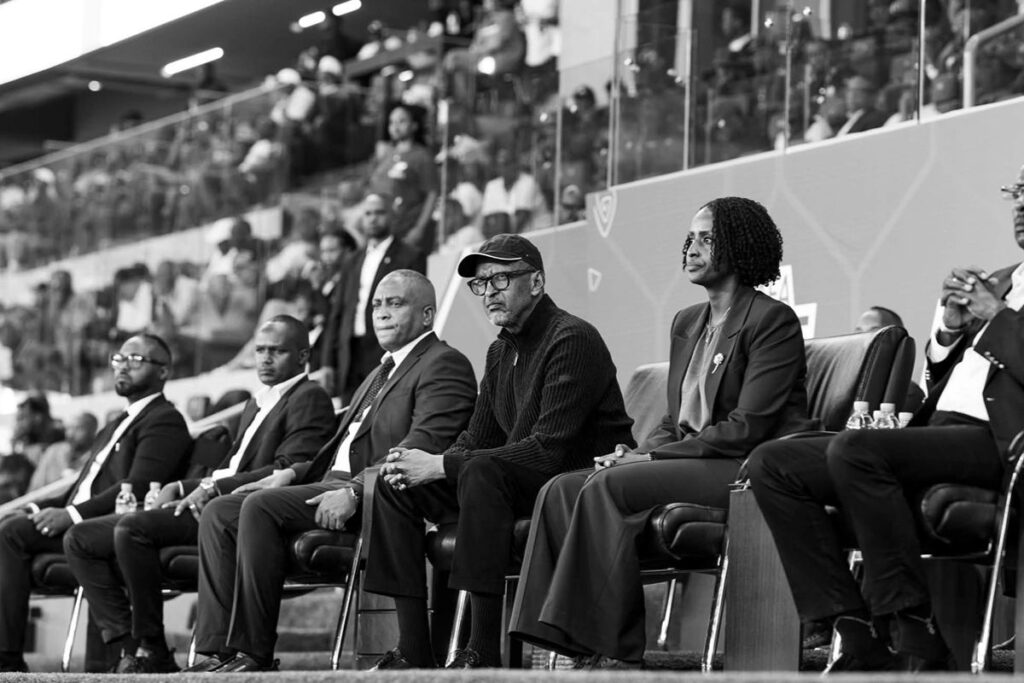
The tournament has carried the name of Rwandan President Paul Kagame since 2002, and his government’s backing has been a constant thread through its more turbulent years. Now, with Rwanda holding the hosting rights outright through 2028, the symbolism is hard to miss: the cup returns home, and home is where it’s staying, for now.
CECAFA has already signalled it isn’t done expanding its footprint either, inviting member associations to throw their hats in the ring to host the Senior Challenge Cup, its other flagship competition.
For Rwandan football, though, the immediate story is simpler and sweeter. Amahoro Stadium’s lights will shine on the Kagame Cup again in 2027, and again in 2028: and after the drama Rayon Sports delivered this August, the region will be watching closely to see if home advantage can work its magic twice more.
Eng’ Okemwa is a sports writer and editor, turning scores, statistics and sporting moments into stories people actually want to read. With a passion for African sports, he aims to use the power of storytelling to amplify talent, shape narratives, and help move the continent’s sports industry forward – one story at a time. engokemwa23@gmail.com