


The 2026/27 FKF Premier League, branded the SportPesa League, kicks off on the weekend of 29–30 August. On paper, it looks like business as usual: Gor Mahia open their title defence at home to Murang’a SEAL, AFC Leopards host Bandari, and Ulinzi Stars welcome FKF Cup (Mozzart Bet Cup) champions Tusker to Lang’ata.
But peel back the fixture list and Kenyan football is sitting on a legal fault line that could still shake the season’s foundations before a ball is kicked.
Eighteen sides will chase glory this term, anchored by the sport’s grand old names: Gor Mahia, AFC Leopards, Tusker FC, Kenya Police FC, Murang’a SEAL, and Ulinzi Stars, joined by Bandari, KCB, Kakamega Homeboyz, Mathare United, Posta Rangers, Shabana, Nairobi United, Mara Sugar, APS Bomet, and Migori Youth. Rounding out the pack are two newly-promoted sides making their top-flight debuts: 3K FC, Embu’s rising force, and Mombasa United, coastal newcomers whose place in the league has itself become a legal talking point.
Unlike leagues built around billionaire owners, most Kenyan top-flight clubs run on community backing, institutional sponsorship, or disciplined club management: Kenya Police under the National Police Service, Tusker backed by Kenya Breweries, Ulinzi tied to the military, and Gor Mahia and AFC Leopards powered by fiercely loyal, community-rooted fan bases rather than a single deep-pocketed benefactor.
No club carries more weight into a new season than Gor Mahia. K’Ogalo enter as record 22-time champions after a historic 2026 triumph, their trophy cabinet stretching back to 1968, and under coach Charles Akonnor they’ll defend the crown against a chasing pack led by bitter rivals AFC Leopards;12-time champions who last tasted glory in 1998 and now stare down a painful 28-year title drought under Fred Ambani.
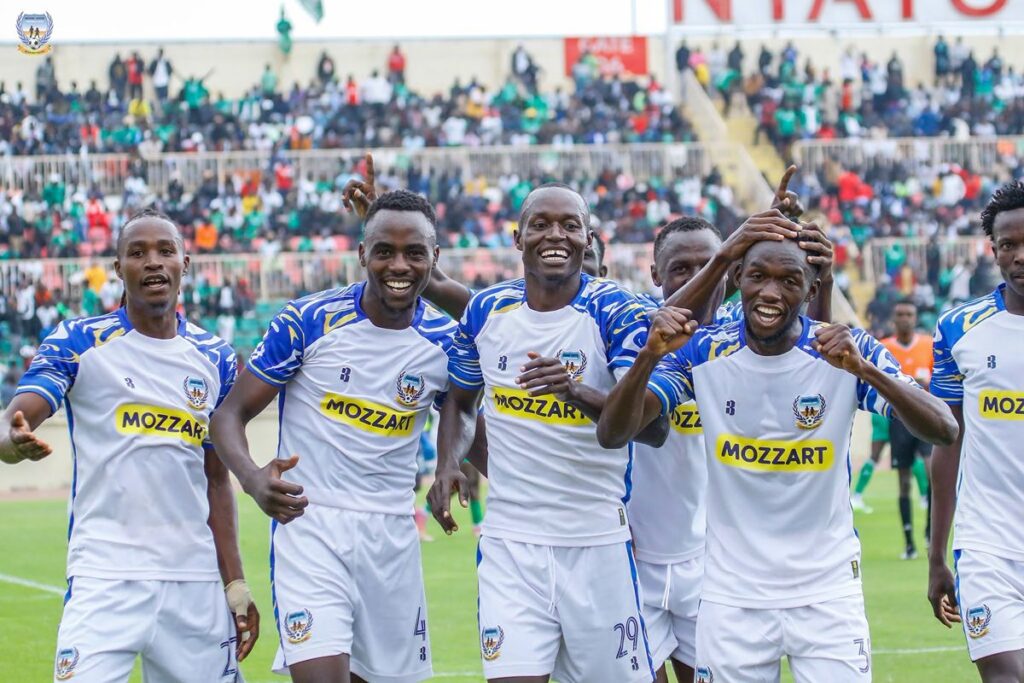
Tusker FC, also 13-time champions and led by Julien Mette, remain the other heavyweight capable of ending both droughts. Kenya Police FC, the freshly-minted 2024/25 champions under Nicholas Muyoti, arrive as genuine dark horses after finishing third behind Gor Mahia and AFC Leopards last term, while four-time champions Ulinzi Stars survived a relegation scare to fight another year under Mulinge Ndeto.
Here’s where it gets messy. FKF overhauled its promotion and relegation rules in 2025, scrapping the old play-off system in favour of automatic three-up, three-down movement between the Premier League and National Super League. Kariobangi Sharks, relegated in 16th place, cried foul, arguing the rules were rushed through without proper public participation and improperly ratified by FKF’s National Executive Committee rather than its General Assembly. The Sports Disputes Tribunal disagreed, dismissing Sharks’ case on August 10 and ruling the regulations were validly adopted, effectively confirming their drop and clearing Mombasa United’s route into the top flight.
But that hasn’t closed the book. A separate petition by Evans Nduta remains alive at the High Court in Murang’a, where Justice Dorah Chepkwony has already issued conservatory orders restraining FKF from relying on the disputed rules for fixtures, licensing, registration, or league composition — orders FKF is now accused of ignoring by pressing ahead anyway. That allegation triggered a contempt application against FKF president Hussein Mohammed and CEO Dennis Gicheru, who were due before the Murang’a court on August 14, just fifteen days before kickoff. FKF, meanwhile, insists the High Court has no jurisdiction over football matters at all and has escalated that fight to the Court of Appeal.
FKF has drawn up a full 34-round fixture list and is proceeding as if the matter is settled. Legally, it isn’t. Whether Kariobangi Sharks are really out and Mombasa United really in could still change depending on how the Murang’a court rules, meaning Kenyan football fans should book their seats for kickoff weekend, but keep one eye on the courtroom until the final whistle of controversy actually blows.