


African football has no doubt produced some of the most passionate players and unforgettable moments, but behind every successful team lies a coach who has the tactical vision and is capable of transforming talent into pure experience. From winning the Africa Cup of Nations titles to leading clubs to continental glory, African coaches continue to shape football across the continent and beyond. This article aims to highlight 10 of the most successful African football coaches based on trophies won, player development, and their impact on African football history. Let us know if you agree with us.
Charles Gyamfi – Ghana
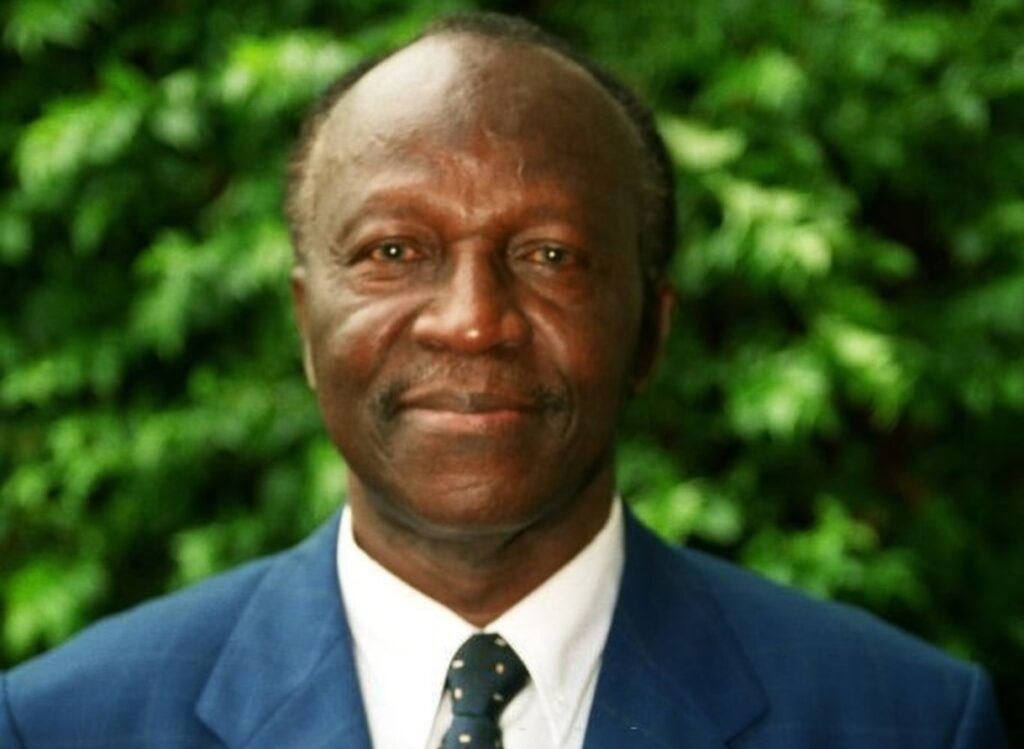
The late Charles Kumi Gyamfi is widely regarded as Africa’s most successful national team coach. Gyamfi played a transformative role in shaping African football, but it was his extraordinary coaching career with the Ghana Black Stars that cemented his legendary status.
Under his leadership, Ghana won three Africa Cup of Nations titles in 1963, 1965, and 1982, making him the first coach in history to achieve such a win.
Known for his intelligence and discipline, Gyamfi modernised Ghanaian football by adopting advanced tactical systems inspired by Brazilian football, particularly the famous 4-2-4 formation. Beyond trophies, his influence extended beyond Ghana as he coached in Somalia and Kenya.
Gyamfi symbolised the rise of African football excellence in the post-independence era and remains a timeless icon whose legacy continues to inspire generations across the continent.
Hassan Shehata – Egypt
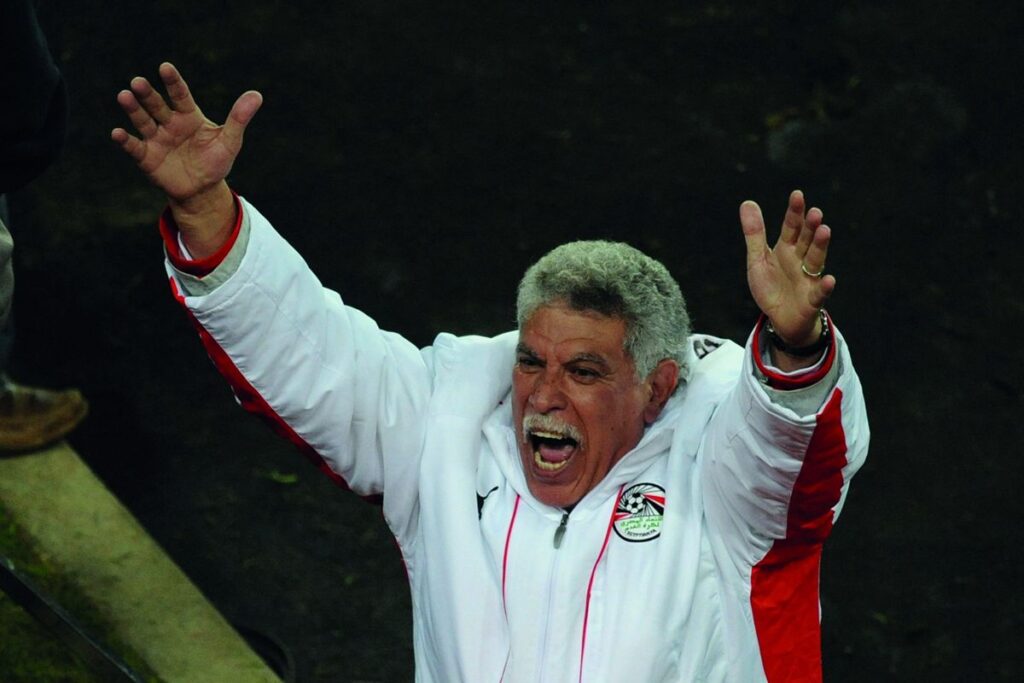
Hassan Shehata remains one of the most iconic coaches in African football history due to his remarkable achievements with the Egyptian national football team. During his period from 2005 to 2011, Shehata guided Egypt to three consecutive Africa Cup of Nations titles in 2006, 2008, and 2010, becoming the first and only coach to accomplish such glory.
Using an adaptable 3-5-2 formation, Shehata created a balanced side capable of combining defensive stability with quick attacking transitions, helping Egypt dominate African football during his era. Beyond the AFCON titles, he also led Egypt to victory at the 2007 Pan Arab Games and played a key role in developing future stars by combining players from the country’s successful youth teams into the senior squad.
Nicknamed The Teacher, he transformed Egypt into one of the world’s most respected national teams, guiding them to ninth place in the FIFA World Rankings. Shehata also established himself as a symbol of African coaching excellence, earning honours such as the CAF Coach of the Year award in 2008 and recognition as Africa’s best coach in 2010.
Pitso Mosimane – South Africa
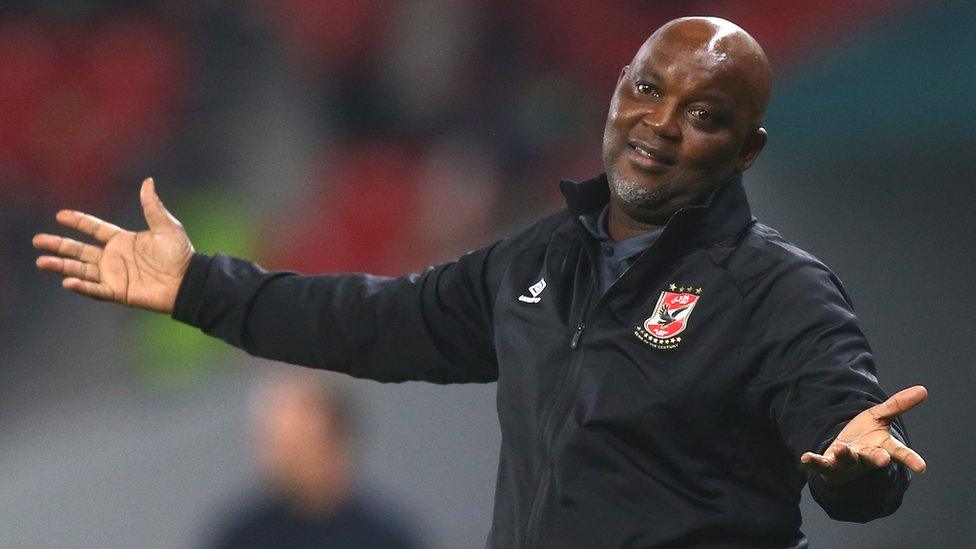
Pitso Mosimane is widely regarded as one of Africa’s greatest modern football coaches, celebrated for his ability to build winning teams and dominate across multiple countries. With more than 17 years of coaching, Mosimane has collected over 20 major trophies, establishing himself as a continental powerhouse through his success with Mamelodi Sundowns and Al Ahly SC.
He made history in 2016 by becoming the first South African coach to win the CAF Champions League after guiding Mamelodi Sundowns to continental glory. His dominance also extended to domestic football, where he added multiple league titles in South Africa and Egypt to his remarkable collection.
Known for his tactical flexibility and detailed match preparation, Mosimane built teams capable of adapting to different opponents. His calm leadership style earned him respect as a coach who prioritises both performance and personal growth, helping players improve their confidence.
Stephen Keshi – Nigeria
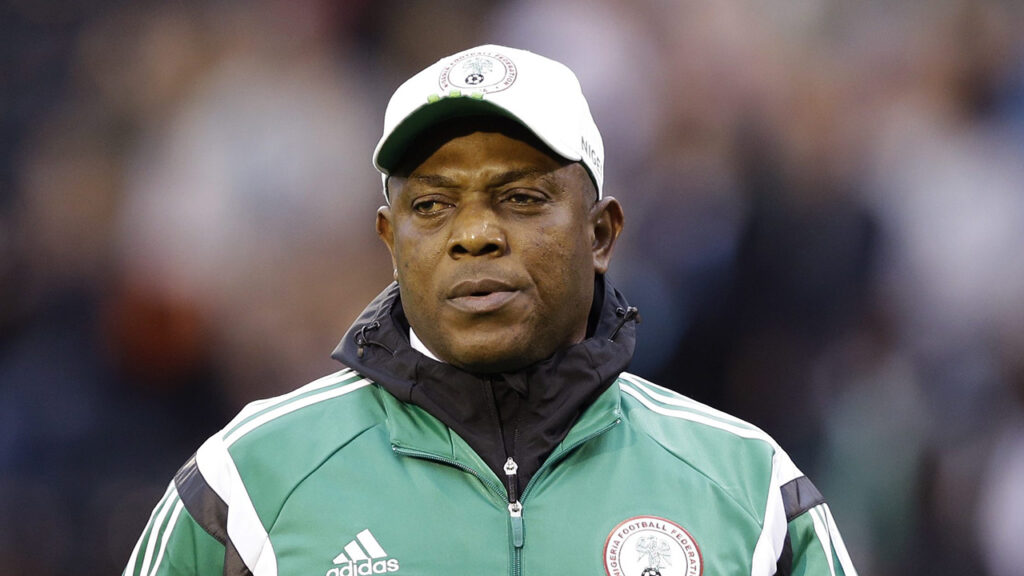
Famously known as The Big Boss, the late Stephen Keshi remains one of Africa’s most influential football figures for his achievements both as a player and a coach. During his playing days, Keshi captained the Nigeria national football team to victory at the 1994 AFCON before later guiding the same nation to continental glory as head coach in 2013.
His leadership helped Nigeria reach the Round of 16 at the 2014 FIFA World Cup, cementing his reputation as a pioneering African coach. Keshi gave opportunities to local league talents at a time when many coaches relied heavily on foreign-based stars.
Known for his calm authority, Keshi inspired a generation of Nigerian footballers and proved that African coaches could succeed at the highest level. His legacy as both a courageous captain and a talented coach continues to hold a special place in African football history.
Walid Regragui – Morocco
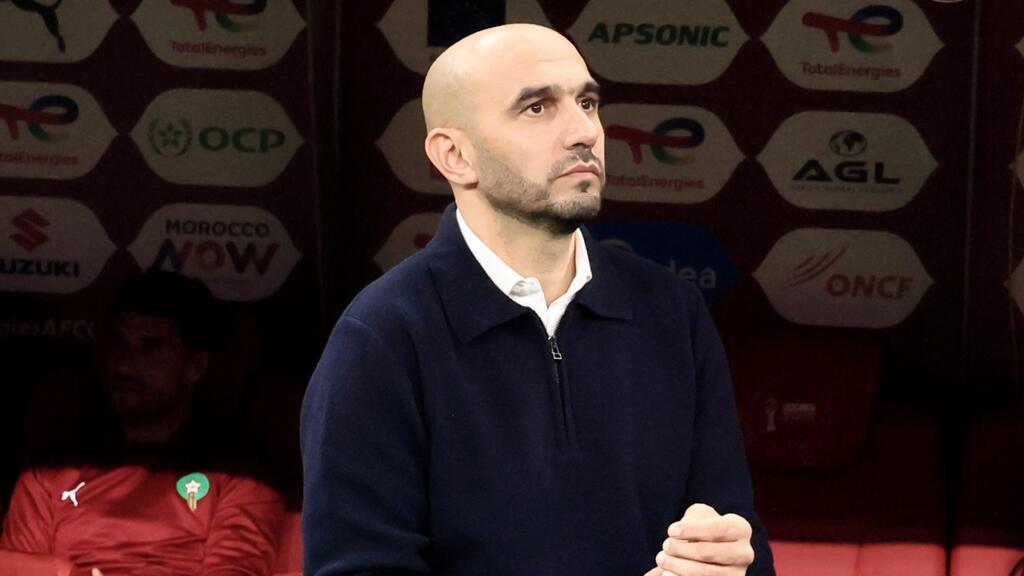
Walid Regragui transformed Moroccan football into a global force through his remarkable leadership of the national football team. Regragui guided Morocco to a historic fourth place finish at the 2022 FIFA World Cup, making them the first African and Arab nation to reach the semi-finals of the competition.
His leadership helped transform Morocco from a talented side into a confident winning nation capable of competing with the world’s best.
Beyond the national team, he also enjoyed success at club level with Wydad Casablanca, winning both the CAF Champions League and the Moroccan league title in 2022. Respected for combining European tactical discipline with African passion, Regragui remains one of the most influential modern African coaches and a symbol of Morocco’s football rise on the global stage.
Aliou Cissé – Senegal
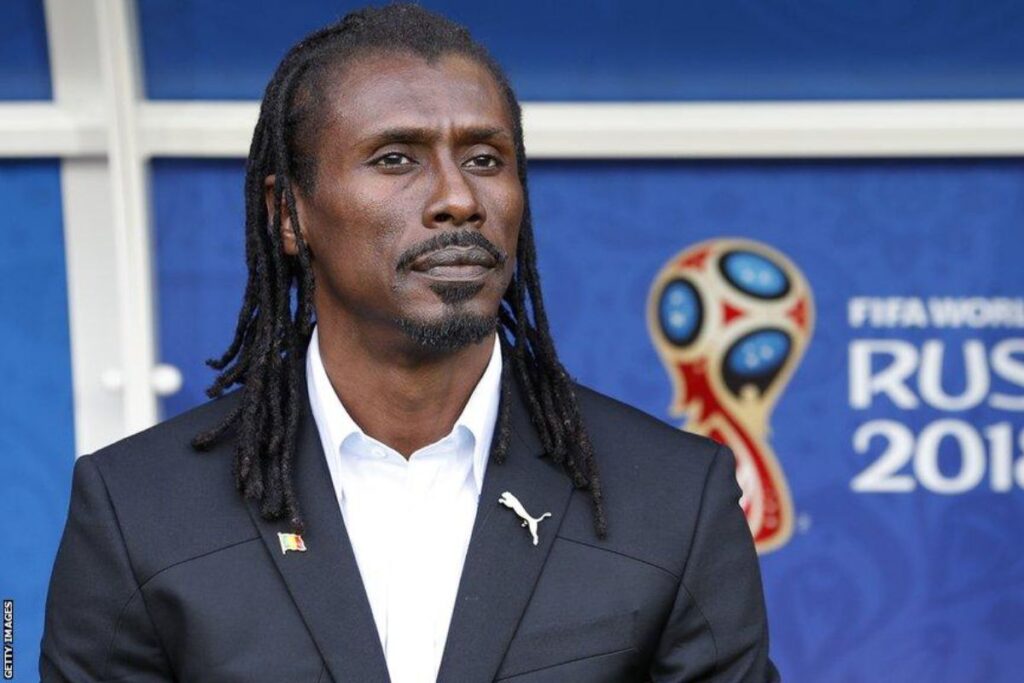
Aliou Cissé is widely respected for transforming the Senegal national football team into one of
Africa’s most dominant sides during his work from 2015 to 2024. A former captain of the Lions of Teranga, Cissé achieved historic success by leading Senegal to their first Africa Cup of Nations title in 2022.
Known for his disciplined and tactical approach, he built a strong defensive team structure while creating a winning mentality that helped Senegal consistently rank among Africa’s top football nations. Under his leadership, Senegal reached the 2019 AFCON final, qualified for the 2018 and 2022 FIFA World Cups, and advanced to the Round of 16 in Qatar.
Cissé also played a major role in developing and uniting stars such as Sadio Mané, Kalidou Koulibaly, and Édouard Mendy into a cohesive and resilient squad. His calm leadership and belief in stability made him a symbol of African coaching success, proving that local coaches could build championship-winning national teams at the highest level.
Moïn Chaâbani – Tunisia
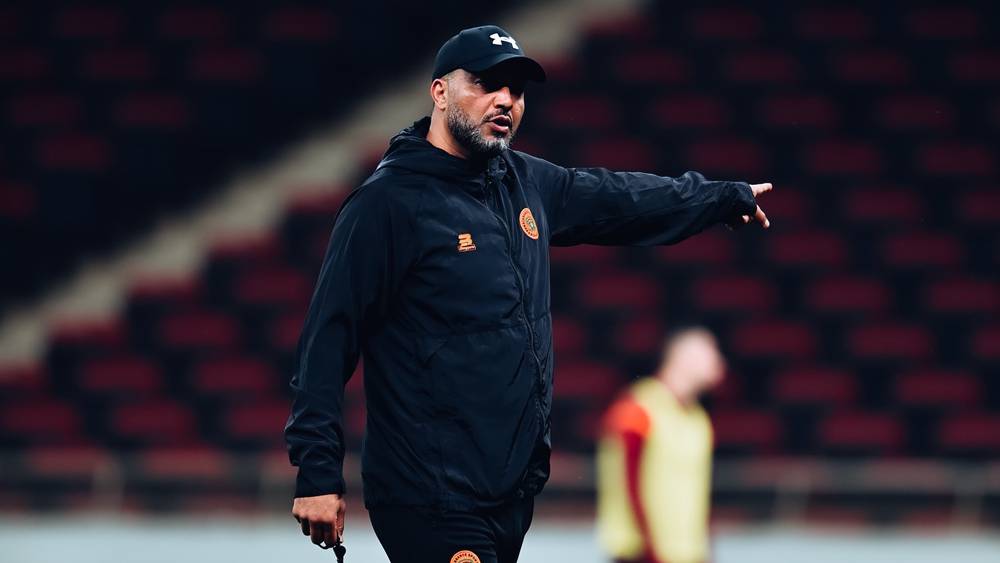
Moïn Chaâbani is one of North Africa’s most successful young coaches, known for achieving major success at an early age with his calm leadership and tactical discipline. He rose to prominence with Espérance de Tunis, where he won back-to-back CAF Champions League titles in 2018 and 2019, becoming one of the youngest African coaches to achieve such a milestone.
During his time at Espérance, Chaâbani also guided the club to multiple Tunisian league titles and Super Cup victories, building a dominant side that consistently performed at the highest level. He later continued his success in Morocco with RS Berkane, winning the CAF Confederation Cup and the Moroccan Throne Cup.
Since beginning his senior coaching career in 2016, Chaâbani has earned a strong reputation for creating disciplined and mentally tough teams capable of handling pressure in big matches. Known for using a balanced 4-2-3-1 formation, his teams focus on defensive organisation, teamwork, and effective attacking play.
Although he has mainly coached at club level instead of the national team, his consistent success in African competitions has brought him international recognition as one of the continent’s brightest coaching talents. What makes him stand out is his ability to win trophies quickly, maintain high performance levels, and prove that young African coaches can compete with the best in continental football.
Emerse Faé – Ivory Coast
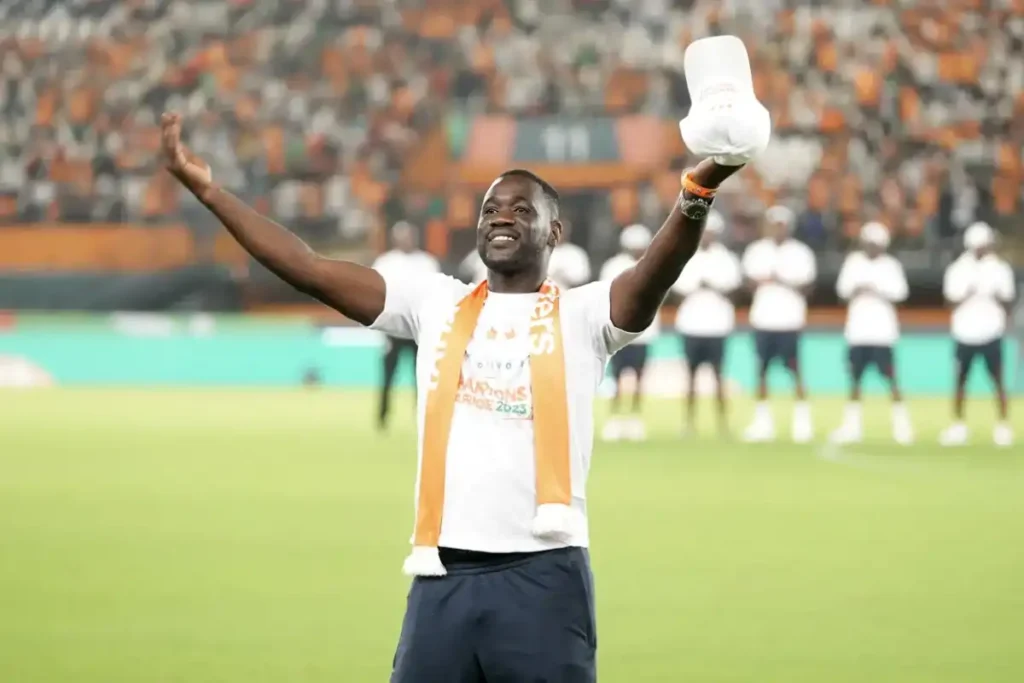
Emerse Faé became one of Africa’s most talked-about coaches after leading the Ivory Coast national football team to a remarkable victory at the 2023 Africa Cup of Nations on home soil. Under his leadership, the Elephants defeated defending champions Senegal, overcame Mali in extra time, and beat Nigeria in the final to win the country’s third AFCON title.
Known for his flexible tactics and motivational leadership, Faé built a united and confident squad that played with resilience and belief. By becoming one of the few local coaches to guide Ivory Coast to continental glory, Faé proved that African coaches can succeed at the highest level while inspiring a new generation of football leaders across the continent.
Faouzi Benzarti – Tunisia
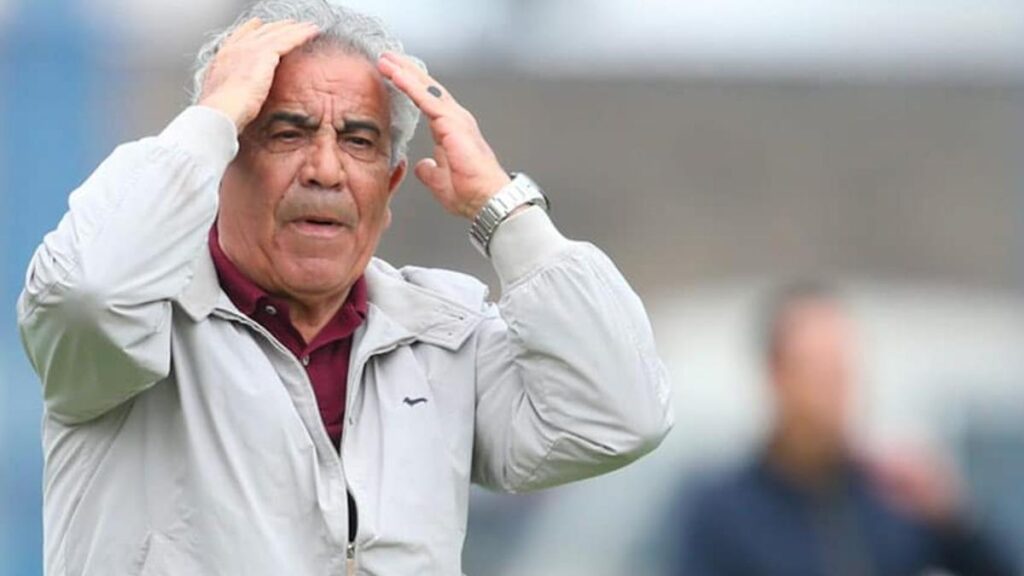
Faouzi Benzarti is one of the most experienced and successful coaches in African football history, known for his long career and strong impact across North African clubs. He has spent over four decades in coaching and turning teams into champions.
Benzarti has achieved more than 20 major trophies, including the CAF Champions League with
Espérance de Tunis in 1994 and the CAF Confederation Cup with Étoile Sportive du Sahel in 2015. He also guided clubs like Wydad Casablanca and Raja Casablanca to major success, including reaching the 2013 FIFA Club World Cup final with Raja.
His true strength has always been at club level, where he holds a record number of Tunisian league titles and is known for quickly improving struggling teams. Benzarti still remains active and respected in North African football circles. He is known for his discipline, intense training methods, and the best playing style, usually based on high pressing and attacking football.
Cecil Jones Attuquayefio – Ghana
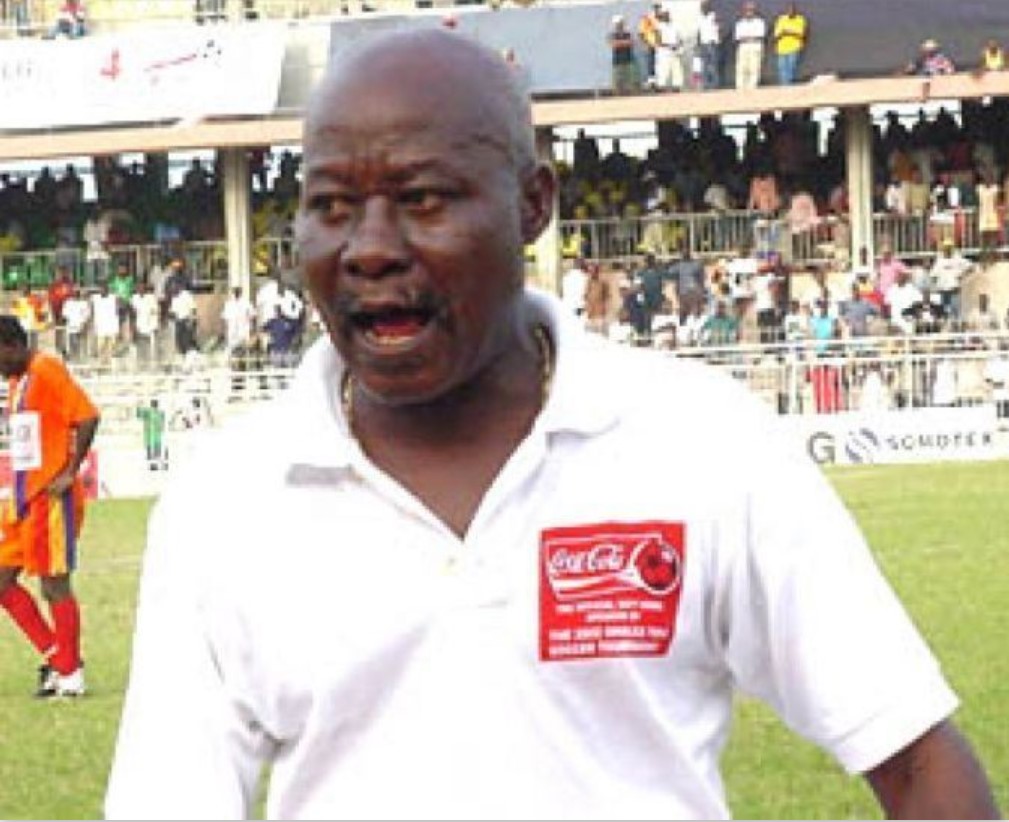
Cecil Jones Attuquayefio was one of Ghana’s greatest football coaches, remembered for his success both in club football and at international level. He is best known for transforming Accra Hearts of Oak into African champions, guiding them to the 2000 CAF Champions League title and following it up with the CAF Super Cup in 2001.
He dominated Ghanaian football with multiple league and cup titles, building one of the strongest club sides in the country’s history.
On the international stage, Attuquayefio made history with the Benin national football team by leading them to their first Africa Cup of Nations qualification in 2004, marking a major milestone for the country.
Known for his belief in young and local talent, he gave opportunities to many players who later became stars, helping to strengthen Ghana’s football foundation for the future.
Attuquayefio was widely respected internationally and was named CAF Coach of the Year in 2000.