


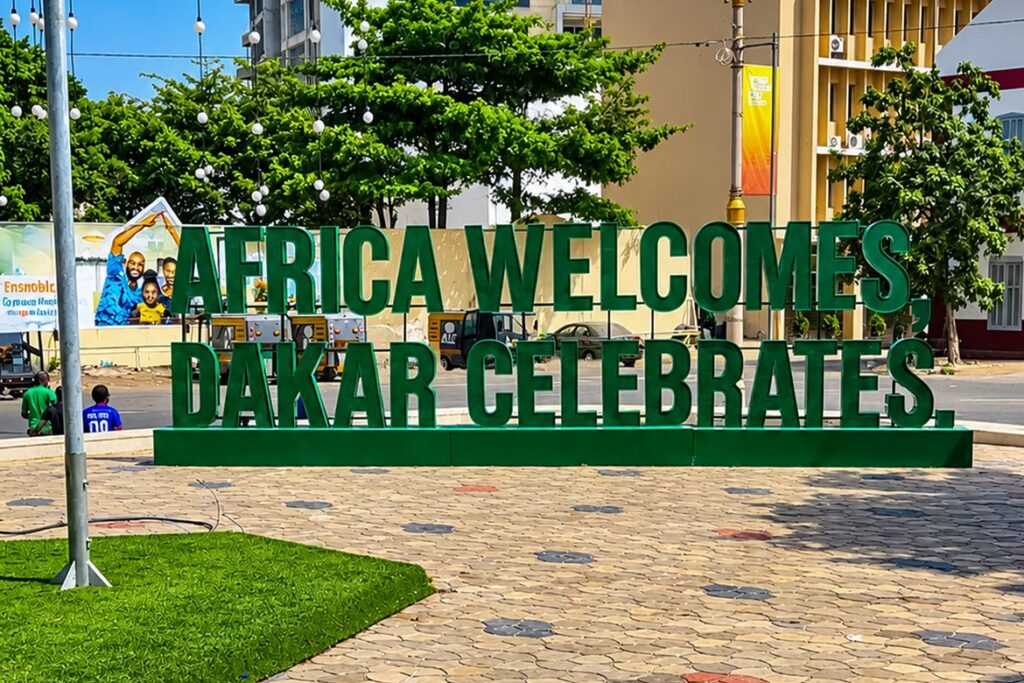
Dakar 2026 gave African youth athletes a platform to showcase their talent, while Senegal’s hosting of the first Olympic sporting event on African soil brought a new sense of possibility to the continent’s sporting ambitions.
African athletes made their mark with a series of memorable performances, national firsts and breakthrough victories at the Youth Olympic Games Dakar 2026, which concluded on Friday, 13 November.
At the close of competition, athletes from 19 African countries had won 76 medals.
They included 27 gold, 17 silver and 32 bronze medals. Six African countries finished in the global top 15, led by Egypt in fourth place with six gold medals, followed by Ethiopia in fifth, Senegal in sixth, Kenya in eighth and South Africa in ninth.
For Humphrey Kayange, chair of the IOC Coordination Commission for Dakar 2026 and a former captain of Kenya’s Rugby Sevens team, the moment carried particular significance.
“Dakar 2026 has been a really proud moment. Emotional. As an Olympian from Africa, just seeing all the planning and preparations, and seeing everything come to life, has been a really special feeling,” he said.
Kayange, who represented Kenya at the Rio 2016 Olympics, said the reception from Senegalese fans had helped make the event special.
“We’ve seen the warmth and the hospitality of people in Senegal welcome these Games, celebrate from the full stadiums, from the excitement across the town, and it really shows you what impact this has had on Senegal and also on the continent.”
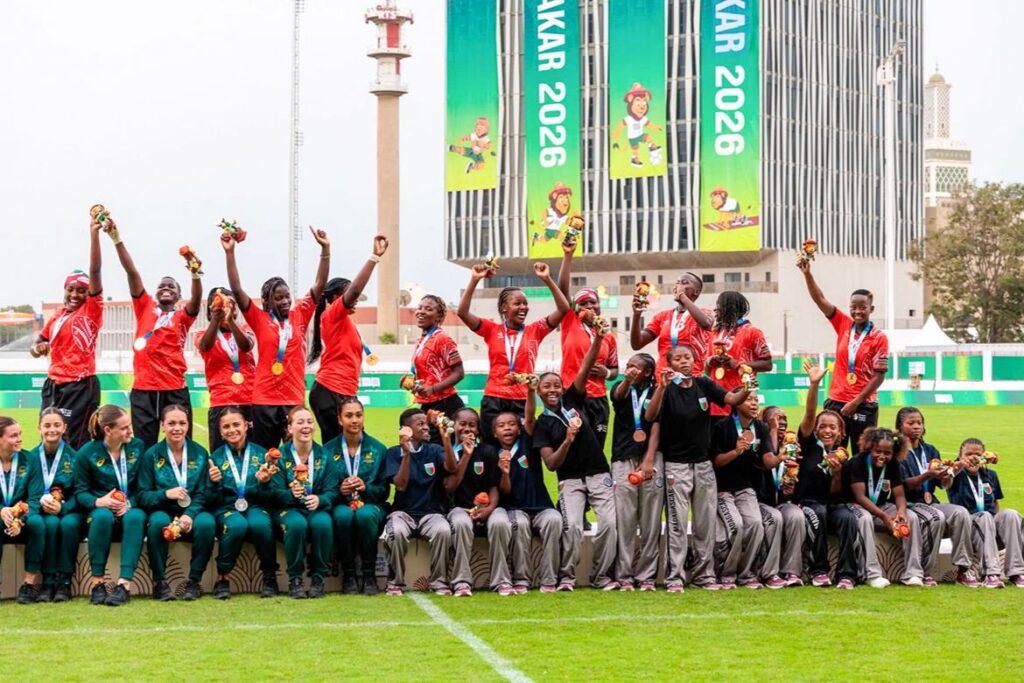
Kenya’s women’s rugby sevens team delivered one of the tournament’s standout moments, beating favourites Australia in sudden-death extra time to claim gold. Madagascar also reached the podium, taking bronze, while South Africa won silver in the men’s competition.
For Kayange, Kenya’s victory was especially moving given his own history in the sport.
“Kenya’s win in the rugby women’s sevens final was really emotional. As an athlete, former rugby player and captain for Kenya, just seeing their resilience, their commitment, their belief, winning that game in extra time was not easy,” he said.
“Sport gives you the opportunity, it gives you hope, gives you the belief and, for the girls and what they achieved, it’s moments that will stay with them for the rest of their lives.”
Egypt’s Zain Ali also made his mark in the pool, winning all three butterfly events: the 50m, 100m and 200m. Senegal celebrated three gold medals in beach wrestling, adding to the excitement of competing on home soil.
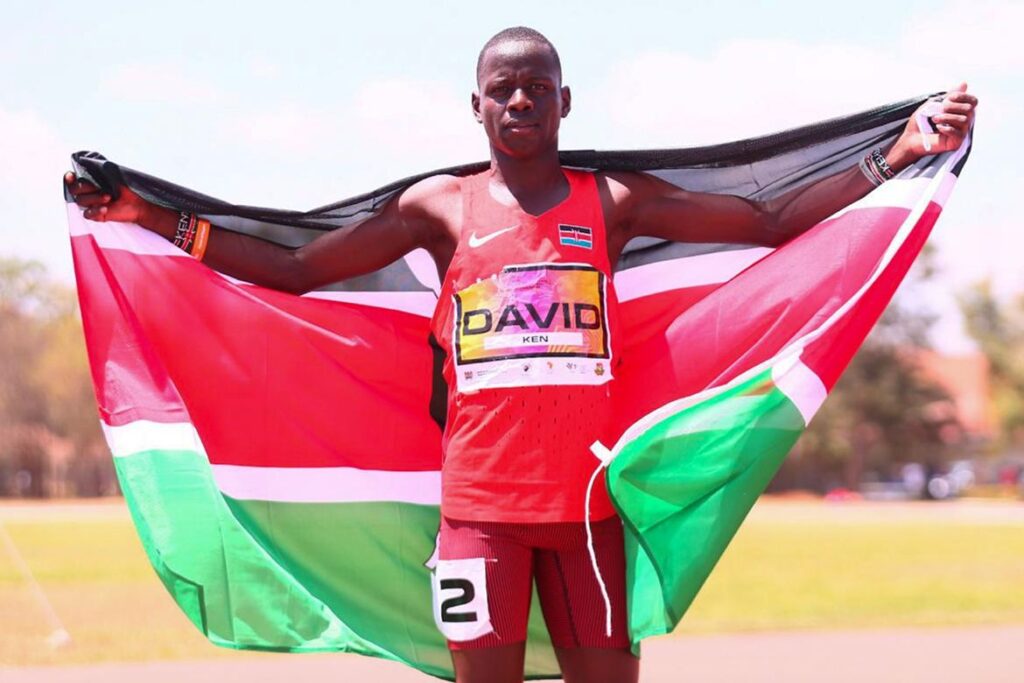
On the track, Ethiopia finished top of the athletics medal table with five gold and three silver medals, according to World Athletics. Kenya and Nigeria each collected three athletics golds, while Zimbabwe’s Ropafadzo Mzondo won the men’s 200m in 21.04 seconds, securing his country’s first Youth Olympic gold in the event.
“It’s really been amazing so far for the African continent,” Kayange said. “Apart from Kenya winning, we’ve seen Egypt win in the swimming. We’ve seen Senegal win their first three gold medals in beach wrestling, and that just speaks to the youth and what potential that is there on this continent.”
One of the most personal stories of the Games came from 16-year-old Mustapha Jadama, whose silver medal in the men’s 400m made him the first Gambian to win an Olympic medal, at either the Youth or senior level.
Jadama crossed the line in 46.93 seconds, behind the United Arab Emirates’ Saeed Omar, who won gold in 46.40, and ahead of China’s Liu Han, who took bronze in 47.16. The Gambia had first competed at the Olympics in Los Angeles in 1984 without previously winning a medal.
Speaking after the race, Jadama said his family had already begun preparing to celebrate his achievement. “They said they are waiting for me for the celebration,” he said.
His journey began at primary school, where a coach noticed his speed and encouraged him to join the school athletics team. Despite experiencing pain in his back muscles late in the race, he pushed through, telling himself: “I can do it. I can do it no matter what, no matter the pain, hit me, I’m going to do it.”
The teenager had already set his sights on the 2027 African Games and the Los Angeles 2028 Olympics. At the time, he was balancing athletics with his education and the prospect of returning home to Brikama as his country’s first Olympic medallist.
Jadama’s breakthrough was part of a wider set of firsts for African sport at Dakar. Senegal’s men’s 3×3 basketball team won gold and the women’s team took bronze, making Senegal the first African nation to win medals in the event at the Youth Olympic Games.
The men defeated Lithuania 14-13 in overtime, with 16-year-old Papa Mamadou Cisse scoring the winning basket. The result gave the home crowd another moment to celebrate and underlined the range of sports in which African athletes made their presence felt.
“Talent is universal. Talent is everywhere,” Kayange said. “Sometimes opportunities are scarce and you do not get the same chances to play. But once you do, and once you invest in young people, we see such results come to life.”
For the approximately 2,700 athletes who competed in Dakar, the Games also offered an introduction to the Olympic experience beyond the field of play. Many were taking part in their first Olympic event, sharing the Youth Olympic Village with competitors from different countries and sports.
The village brought together athletes for cultural activities, new friendships and educational programmes. At Athlete365 House, young competitors also had access to sessions on sporting integrity, anti-doping and the prevention of competition manipulation.
Kayange said these experiences were as important as the results on the field.
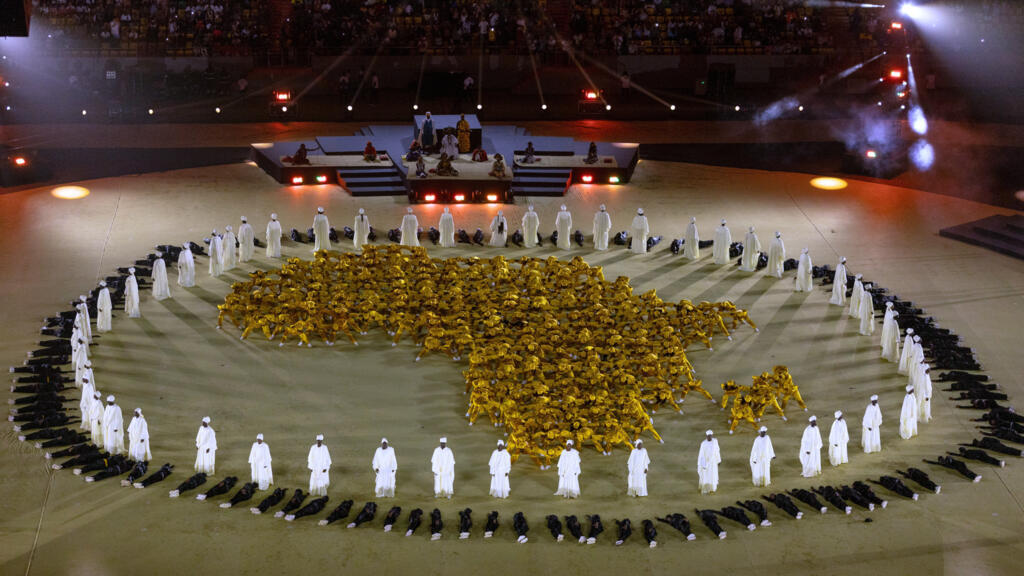
“For many athletes, this is their Olympic moment. This is their first Olympic experience… For a lot of them, it’s more than the competition… the friendships they are making, the cultural experiences they’re having, the education programmes that are there in the village.”
He added that the memories athletes took home would extend well beyond their performances.
“What they’ll remember most about Dakar isn’t really the competition, it’s what Dakar made them feel during these Games for them.”
The Games also gave Senegal increased exposure beyond the competition venues, with a sharp rise in online references to the country during the event.
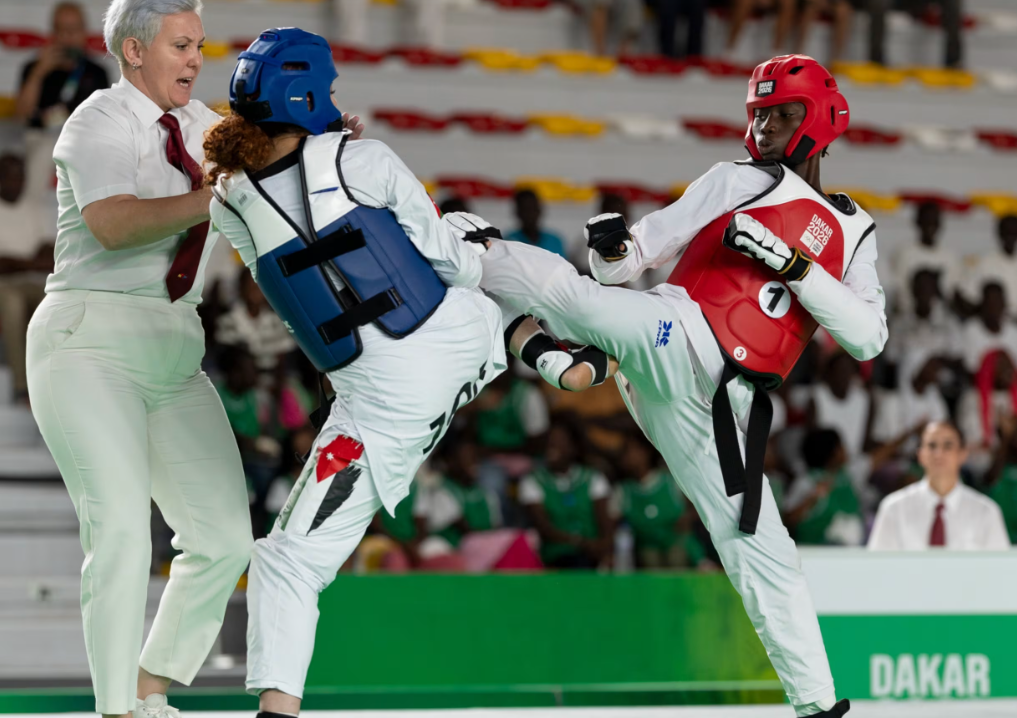
An analysis of nearly one million online mentions by Senegalese marketing and communications specialist Mamadou Mactar Diallo found that daily online publications referencing Senegal rose from an average of 23,900 in October to 63,400 during the first five days of the Games, a 2.7-fold increase. The analysis, published by Senegalese newspaper Le Soleil, also recorded a shift in online sentiment towards the country during the competition.
The Olympic Movement’s digital platforms accounted for much of the attention around the event. Diallo’s analysis found that two official Olympic Movement accounts generated 58% of the views among the 100 most-watched Dakar-related TikTok videos, highlighting the role of established international platforms in distributing the Games to a global audience.
The broadcast operation was also substantial. Olympic Broadcasting Services planned 507 hours of high-definition coverage across the 25 competition sports, with 19 media rights-holders and more than 70 sublicensees involved in distributing the event internationally.
The planned coverage represented a 25% increase in live coverage compared with the sports shared with the Buenos Aires 2018 Youth Olympic Games.
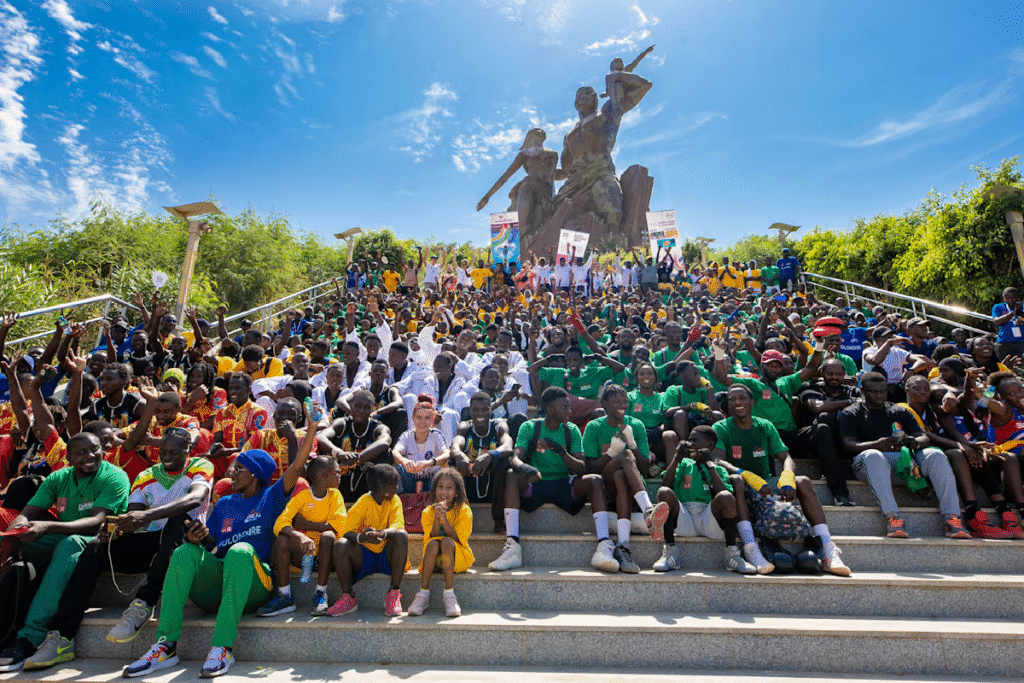
The production also introduced new technology, including a fully virtualised Master Control Room and AI-assisted highlights across 16 sports. These figures demonstrated the scale of the coverage, although they measured planned broadcast output and distribution rather than the final number of people who watched the Games.
Senegal also looked to translate the attention and activity generated by the Games into longer-term benefits for local businesses, workers and sporting communities.
A simulation by Senegalese economist Babacar Gaye estimated that Dakar 2026 could generate CFA649.2 billion (approximately $1.10 billion) in additional economic wealth between 2024 and 2026, equivalent to around 1% of GDP.
The model also projected CFA97.4 billion (about $164 million) in tax revenue and 30,382 job-years, a measure of employment over time rather than a count of permanent jobs.
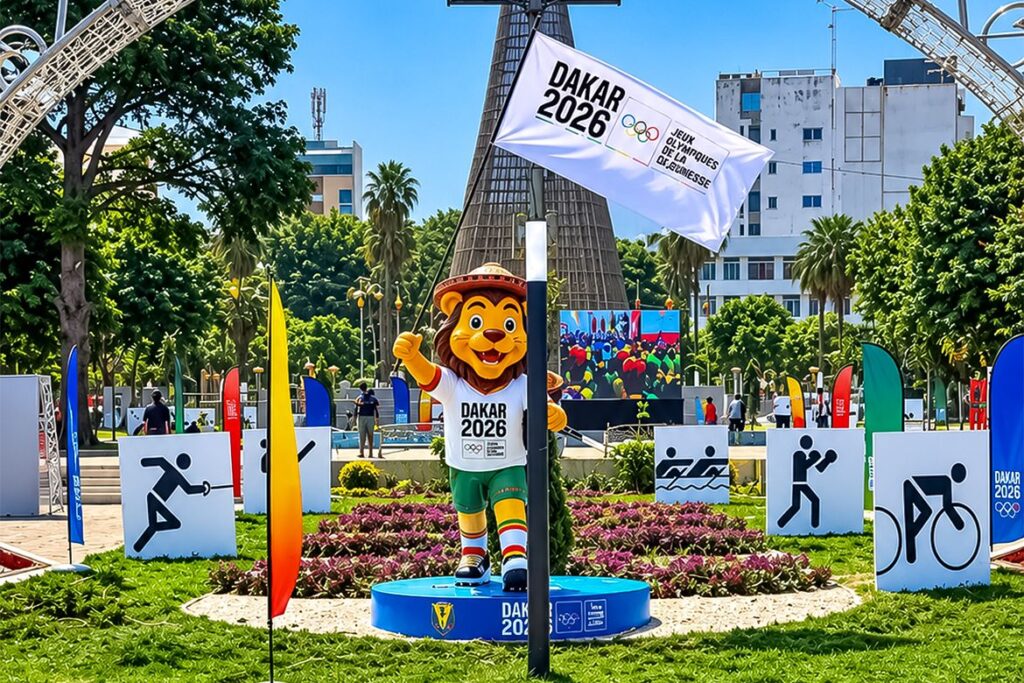
Gaye cautioned that the event represented a “powerful but temporary demand shock, not a magic bullet”, pointing to the importance of sustaining tourism, business activity and investment after the competition. His estimates remained projections, not a final measurement of the Games’ realised economic impact.
The IOC also highlighted the event’s legacy programmes. More than 300 young professionals from 21 African National Olympic Committees were trained, while Olympic values and education programmes reached more than one million schoolchildren in 11,000 schools. Eleven local sports facilities were renovated or modernised, and Senegalese companies received 56% of the organising committee’s committed procurement expenditure in 2025.
The Youth Olympic Village, built on the campus of Amadou Mahtar Mbow University, was expected to return to student use after the Games. The volunteer programme attracted 23,000 registrations for 6,000 Games-time roles, creating another point of connection between the event and local communities.
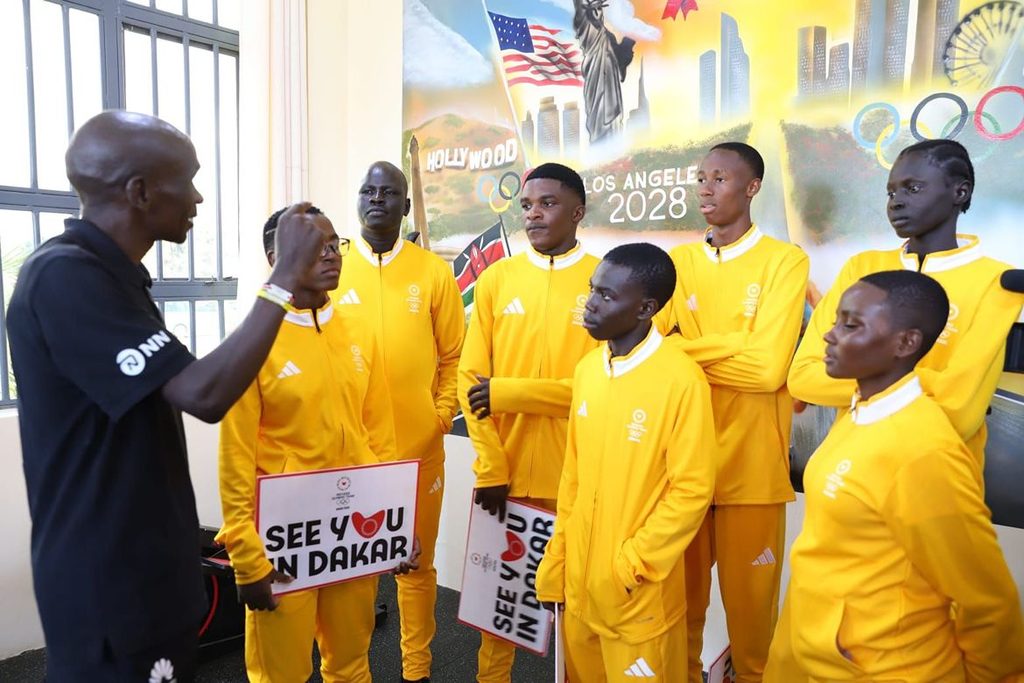
Senegal’s successful hosting added another dimension to the event. The venues, atmosphere in the stadiums and work of the organising committee, authorities and thousands of contributors helped deliver the first Olympic sporting event on African soil.
Kayange praised the country’s delivery, saying it had demonstrated its ability to stage an Olympic event at the highest level. He also highlighted the commitment of those involved in the preparations and the warmth of teranga, the Senegalese tradition of hospitality.
“Senegal has demonstrated its ability to deliver an Olympic event at the highest level,” he said.
The Games concluded on Friday, 13 November, with the closing ceremony held at 6pm local time at the Youth Olympic Village in Diamniadio. Reflecting on the event, Kayange said the challenge would be to sustain the excitement and conversations generated by Dakar.
“The warmth of Teranga has really come to life. And we will leave Dakar with so many memories of sport and more than sport,” he said. “Making sure that after we leave, everyone keeps the conversation going way, way, way, way, way after it’s all done.”